TerraCycle Review: Are Zero Waste Boxes Worth Paying For When Curbside Recycling Cannot Take Your Waste?
Every home has a small pile of waste that feels wrong to throw away and impossible to recycle locally: snack wrappers, old water filters, coffee capsules, worn-out art supplies, small plastic packaging, and the odd kitchen item that does not belong in the blue bin. TerraCycle built its consumer pitch around that exact frustration. The brand gives households a way to collect specific hard-to-recycle waste and ship it back instead of sending it straight to landfill.
This TerraCycle review is not a claim that we personally filled and shipped a Zero Waste Box. It is a research-based buying guide using TerraCycle official pages checked on May 14, 2026, independent reporting, public customer feedback, and current product-page rules. Our review standards are explained in our editorial policy, and our site model is covered on the about page.
TerraCycle review: the short version
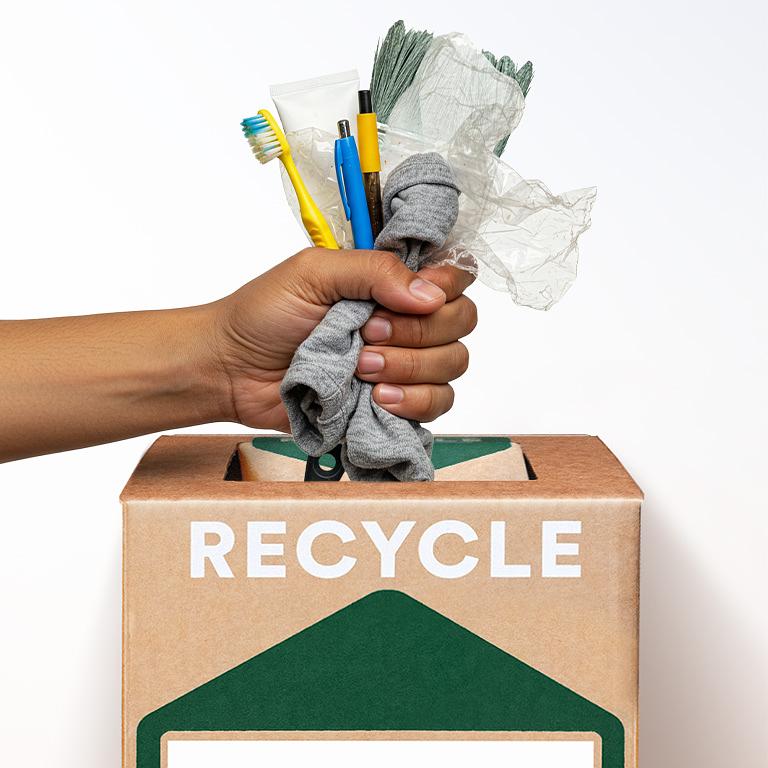
TerraCycle is strongest when you already know what waste stream you need to solve. If your problem is flexible plastic packaging, coffee and tea accessories, water filters, or mixed non-hazardous household items that your local recycler rejects, a Zero Waste Box can create a practical outlet. TerraCycle says the box price covers production of the box, shipping to you, return shipping, sorting, cleaning, processing, recycling, and handling of the box and liner.
The weaker fit is casual guilt recycling. If you only have a few wrappers, do not know whether the items are accepted, or have access to a free local drop-off program, a paid box may be too expensive and too much work. The model also depends on careful sorting, dry waste, third-party processing, and buyer trust in TerraCycle's downstream handling.
| TerraCycle option | Strong fit | Main caution |
|---|---|---|
| All-In-One Zero Waste Box | Mixed accepted household waste when separating is the barrier | Broad rules make contamination risk higher |
| Plastic Packaging Zero Waste Box | Flexible and rigid plastic packaging | Excludes foamed plastic, PLA, glass, plastic foil-lined wrappers, and wood |
| Kitchen Separation Zero Waste Box | Non-organic kitchen waste such as wrappers, accessories, filters, and small kitchen gear | Does not accept organics, bulbs, lithium batteries, sharps, broken glass, or hazardous items |
What TerraCycle is actually selling
TerraCycle is not selling a normal recycling bin. The core Zero Waste Box product is a paid mail-back system for waste that conventional curbside recycling usually does not handle. TerraCycle's Zero Waste Box FAQ says customers choose a box, collect accepted waste, seal the box when full, and return it using the prepaid shipping label. The FAQ also lists small, medium, and large box sizes, plus pouches and pallets for certain use cases.
The official process matters because it explains why the service can feel expensive. TerraCycle is asking the buyer to pay for the logistics and processing that municipal recycling usually avoids. That does not automatically make the box a bad value, but it means the value depends on volume. A mostly empty box is a poor deal. A full, clean, correctly sorted box has a stronger case.
If you are setting up a collection point at home, treat it like any other storage system. The box needs a dry, visible location, and the household needs simple rules. Our kitchen organizers guide is written for pantry and cabinet storage, but the same principle applies here: if the system is not easy to use, people will stop using it.
All-In-One Zero Waste Box: flexible, but not rule-free
The All-In-One Zero Waste Box page positions this as the simple option for mixed household waste. TerraCycle lists accepted categories such as art supplies, books and magazines, clothing and accessories, coffee bags and capsules, home cleaning accessories, kitchen gear, office supplies and e-waste, party supplies, plastic and paper packaging, shipping materials, shoes, and water filters.
That flexibility is the selling point. It is also the risk. The same page excludes items such as biomedical waste, sharps, broken glass, expired medication, light bulbs, lithium-ion batteries, oil-based paint, pesticides, organics, pressurized canisters, soiled diapers, stuffed textiles, wood, and certain accessories. A household that treats All-In-One as a literal everything box can create contamination and extra sorting problems.
Choose All-In-One if your main obstacle is separation and you can post a clear accepted-waste list near the box. Skip it if your waste is mostly one category. A narrower stream is easier to manage and easier to explain to guests, children, roommates, or office users.
Plastic Packaging Zero Waste Box: useful only when the packaging matches
The Plastic Packaging Zero Waste Box page asks users to send flexible or rigid plastic packaging and remove excess food or waste before recycling. That makes it relevant for snack bags, takeout packaging, beauty empties, and other packaging that often creates confusion at home.
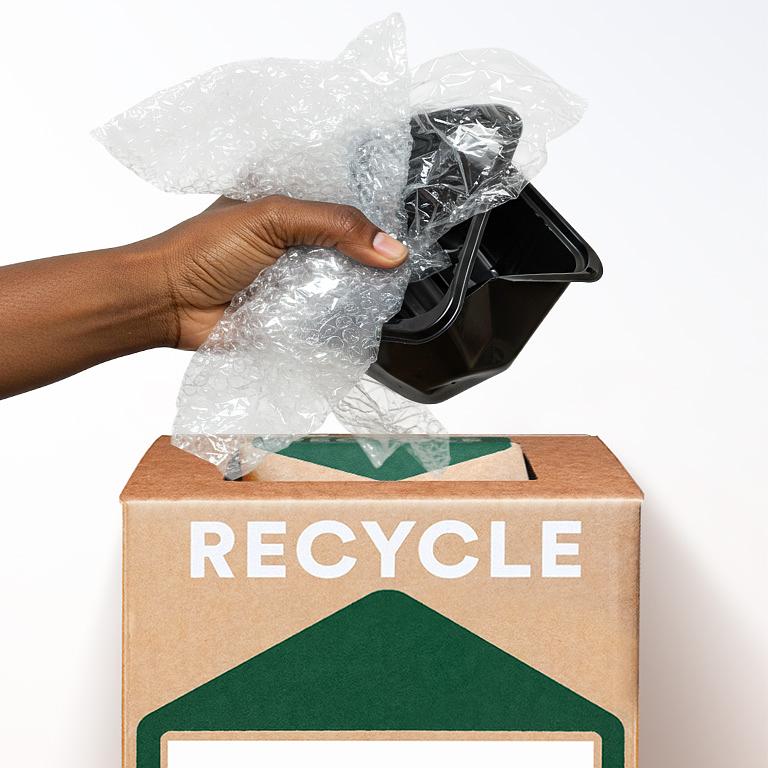
The exclusions are important. TerraCycle says this box does not accept biodegradable plastic such as PLA, foamed plastics, glass, plastic foil-lined wrappers, or wood. That is the kind of detail that can make or break the purchase. If your household waste is mostly chip bags or foil-lined snack wrappers, do not assume the plastic packaging box solves it. Read the accepted-waste document before ordering.
This box makes sense when local recycling rejects flexible plastic and you can collect a clean, dry stream over time. It makes less sense if your city or grocery store already accepts the exact material. Always check local options first because local drop-off is usually cheaper and simpler than shipping waste across the country.
Kitchen Separation Zero Waste Box: the most natural home fit
The Kitchen Separation Zero Waste Box page is one of the more natural fits for home-living readers because the kitchen generates steady, annoying waste. TerraCycle lists candy and snack wrappers, cleaning accessories, coffee and tea accessories, fabrics and clothing, interior home furnishings, party supplies, dining disposables, plastic and paper packaging, and water filters as accepted categories.
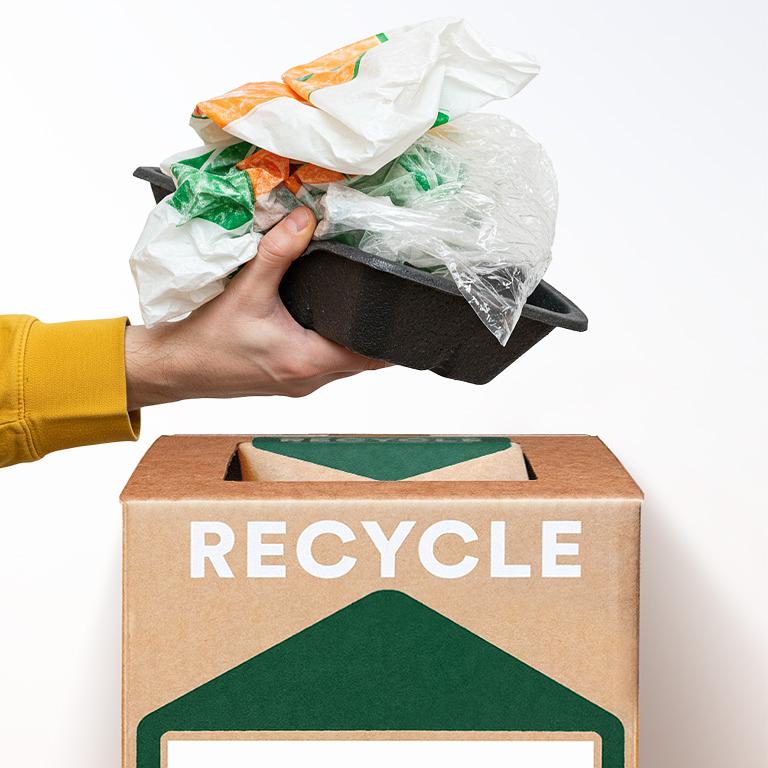
The same page excludes biomedical waste, sharps, broken glass, expired medication, light bulbs, lithium-ion batteries, oil-based paint, pressurized canisters, organics, pesticides, and soiled diapers. In other words, this is not a replacement for hazardous-waste disposal, composting, battery recycling, or bulb recycling.
For a household, Kitchen Separation may be easier than All-In-One because the collection location and waste source are obvious. Put the box near a pantry, mudroom, garage shelf, or utility area. If you are also planning bigger home updates that generate packaging, our home improvement seasonal sales guide can help time purchases, but the recycling plan should be set before boxes and packaging pile up.
Trust, transparency, and the greenwashing question
A fair TerraCycle review has to address the criticism. Ethical Consumer's 2026 update argues that TerraCycle programs can be useful, but warns that brand-funded recycling programs may have budget limits and can let polluting brands imply more impact than the program can prove. The Climate Litigation Database records a 2021 settlement in which TerraCycle agreed to substantiation requirements and disclosures around program limits after allegations about deceptive recycling claims.
Bloomberg's 2022 investigation raised a different concern: TerraCycle relies on third-party processors, and some collected plastics may be downcycled into lower-value products rather than turned back into equivalent packaging. TerraCycle's own All-In-One page says shipments are scanned, sorted, cleaned, sent to third-party partners, processed into raw material, and sold to manufacturing companies. That process can still keep material out of landfill, but it is not the same as a simple closed-loop promise.
Public customer feedback also shows friction. Trustpilot and Reddit discussions include complaints about price, website navigation, uncertainty after sending waste, and skepticism about whether the outcome justifies the effort. Those comments are not a scientific sample, but they are useful buyer-risk signals.
Our practical read: TerraCycle may be worth using as a last-mile solution for specific waste, not as permission to keep buying wasteful packaging. Reducing, reusing, buying refillable products, and using local recycling should come first.
Who should consider TerraCycle
Consider TerraCycle if you have a recurring waste stream, enough storage space, and no better local option. Schools, small offices, hobby rooms, kitchens, and community groups are more likely to fill a box efficiently than a single person with occasional wrappers. A box also makes sense when the alternative is definitely landfill and the household is willing to follow rules.
Be more cautious if you are buying mainly for emotional relief. The strongest environmental choice may be avoiding the waste in the first place. For example, if you are replacing outdoor furniture or home goods, our outdoor furniture buying guide can help compare materials before purchase. Buying durable, repairable items usually beats paying later to handle awkward waste.
Also check product categories carefully. Light bulbs, batteries, paint, pesticides, and electronics often have separate legal disposal paths. If you are changing fixtures or bulbs, start with product selection in our lighting fixtures guide, then use your municipality or retailer for disposal rules.
How to decide before ordering
Use a simple pre-order test. First, name the waste stream. Second, check whether your city, retailer, or a free TerraCycle brand-sponsored program already accepts it. Third, read the exact accepted and not accepted list for the paid box. Fourth, estimate how long it will take to fill the box with clean, dry material. Fifth, decide where the box will live.
If any answer is fuzzy, wait. A Zero Waste Box works when it becomes a routine, not when it becomes another object in the garage. The more specific the waste stream, the easier the routine becomes.
FAQ
Is TerraCycle worth it for home recycling?
TerraCycle can be worth it if you have a specific hard-to-recycle waste stream that local curbside recycling rejects and you can fill a box without contamination. It is less compelling for occasional waste, items already accepted locally, or households that will struggle to store clean, dry material long enough to fill the box.
Why do TerraCycle Zero Waste Boxes cost money?
TerraCycle says the price covers the box, shipping to the customer, return shipping, sorting, cleaning, processing, and recycling of the accepted waste, plus the box and liner. In plain terms, the buyer is paying for the logistics and processing that ordinary municipal recycling usually does not cover.
Which TerraCycle box is most practical for a home?
Kitchen Separation or Plastic Packaging will be more practical for many homes than All-In-One because the waste stream is narrower. All-In-One is useful when separation is the main barrier, but its broad accepted list also increases the chance that someone puts the wrong item in the box.
Does TerraCycle really recycle everything inside the box?
TerraCycle says returned shipments are scanned, sorted, cleaned, processed through partners, and turned into raw material sold to manufacturers. Buyers should still be careful with the word everything. The box only covers accepted waste, and independent criticism has focused on transparency, third-party processing, and downcycling.
Should I use free TerraCycle programs before buying a box?
Yes. Free brand-sponsored programs are usually the better first step if they accept your exact waste and enrollment is available. A paid box makes more sense when free programs do not cover your waste stream or when a school, office, or household can fill a box efficiently.
Title Candidates
- TerraCycle Review: Are Zero Waste Boxes Worth Paying For When Curbside Recycling Cannot Take Your Waste?
- Is TerraCycle Worth It? The Zero Waste Box Trade-Off Most Homes Should Check First
- TerraCycle Zero Waste Box Review: What To Know Before Paying To Recycle Household Waste
- Before You Buy a TerraCycle Box, Check These Accepted-Waste Rules and Trust Risks
- TerraCycle Review for Home Waste: Useful Recycling Tool or Expensive Guilt Fix?
Sources reviewed
- TerraCycle official Zero Waste Box page
- TerraCycle Zero Waste Box FAQ
- TerraCycle All-In-One Zero Waste Box
- TerraCycle Plastic Packaging Zero Waste Box
- TerraCycle Kitchen Separation Zero Waste Box
- Ethical Consumer: TerraCycle sustainable or greenwashing
- Climate Litigation Database: Last Beach Cleanup v. TerraCycle
- Bloomberg Green investigation on TerraCycle
- Trustpilot public reviews for terracycle.com
- Reddit ZeroWaste discussion of TerraCycle Zero Waste Box experience
The practical recommendation is cautious: try local and free programs first, then use TerraCycle only when the waste stream is specific, the box can be filled efficiently, and the accepted-waste rules are clear. TerraCycle is a tool for hard cases, not a substitute for buying less waste in the first place. Our editorial policy explains how we handle source-based product reviews, and our about page explains the site model.