Cub Cadet Review: Riding Mowers, Zero-Turns, and Buying Risks
Buying a riding mower is not like buying a cordless drill. If the mower is wrong for your yard, you feel it every week: rough turns, poor traction, awkward service visits, a deck that scalps uneven ground, or a machine that is too large to store. Cub Cadet sits in the middle of that decision. It is familiar, widely sold, and backed by a dealer network, but the right answer depends heavily on the exact model and your terrain.
The short thesis: Cub Cadet is a sensible residential mower shortlist brand when you match the product line to your yard and confirm local service first. Do not buy on the yellow paint alone. Check the model number, deck type, engine, transmission, warranty statement, delivery setup, recall status, and whether your yard is flat enough for the machine you want.
Disclosure: Players Benefits may earn a commission when commerce links are added by our publishing system. We do not claim first-hand testing or ownership of Cub Cadet equipment. This Cub Cadet review is based on official Cub Cadet pages, public manufacturer information, CPSC recall data, Consumer Reports public model information, and dealer inventory feeds reviewed on May 20, 2026. Our review process is explained in our editorial policy, and our site model is summarized on our about page.
Cub Cadet review: quick verdict
Cub Cadet makes the most sense for homeowners who want a residential mower with mainstream parts support, a known dealer ecosystem, and product choices from compact riders to zero-turns. The brand has real history: Cub Cadet says the first Cub Cadet hit the market in 1961, and its timeline highlights early hydrostatic-drive garden tractors and later zero-turn development. Stanley Black & Decker also completed its acquisition of MTD in 2021, and MTD brands include Cub Cadet, Troy-Bilt, Robomow, Rover, and WOLF-Garten.
That background is useful, but it should not replace model-specific research. A Cub Cadet XT1 lawn tractor, an Ultima ZT1 zero-turn, a CC30E electric rider, and a commercial Pro Z unit are different buying decisions. They differ in traction, deck strength, turning behavior, maintenance, price, and service expectations.
The practical verdict is straightforward: shortlist Cub Cadet for mostly flat residential lawns, normal homeowner mowing schedules, and buyers who can access a local dealer or authorized service path. Compare carefully if your yard has steep slopes, you mow commercially, you need maximum durability, or you are buying a used unit with uncertain service history.
What Cub Cadet is as a brand
Cub Cadet is an outdoor power equipment brand focused on riding mowers, zero-turn mowers, walk-behind mowers, snow blowers, utility vehicles, parts, and attachments. Its brand story started in the early 1960s under International Harvester, then moved through MTD, and now sits within Stanley Black & Decker after the 2021 MTD acquisition.
For buyers, the ownership chain matters less than the support chain. Cub Cadet pages repeatedly point shoppers toward servicing dealers, product registration, manuals, parts lookup, and warranty support. That is important because riding mowers are service products, not simple boxed goods. Blades, belts, batteries, tires, deck adjustments, seasonal maintenance, and warranty diagnosis all require a parts and service path.
The brand is not positioned as one single type of machine. Cub Cadet covers small-yard riders, traditional lawn tractors, residential zero-turns, electric riders, and professional equipment. That range is useful, but it creates a common shopper mistake: assuming one Cub Cadet review applies to every mower with the badge. It does not.
Product lineup: where each Cub Cadet type fits
| Cub Cadet line | Practical fit | Watch before buying |
|---|---|---|
| XT1 lawn tractors | Mostly flat yards, towing light carts, familiar steering wheel controls | Stamped vs fabricated deck, transmission expectations, hill traction |
| Ultima ZT1 zero-turns | Larger open lawns with obstacles where speed and maneuvering matter | Slope limits, hydrostatic service, deck size, storage width |
| CC30 and CC30E compact riders | Smaller yards where a full-size tractor is awkward | Runtime, bagging impact, narrow deck productivity, current availability |
| Electric riders | Lower maintenance, no gas storage, quieter operation | Battery runtime, charging access, wet conditions, replacement battery terms |
| Pro Z commercial models | Professional mowing or heavy residential use | Higher cost, dealer support, transport, storage, and commercial warranty terms |
Price also varies by model year and seller. Cub Cadet official XT1 LT46 pricing reviewed for this article showed a $2,599 MSRP. Dealer feeds reviewed on the same date commonly listed the 2026 ZT1 50 around $3,749, while older CC30E electric rider feeds showed roughly $3,599. Treat those as research snapshots, not guaranteed checkout prices. Local inventory, freight, setup, sales events, and model-year changes can shift the real number.
XT1 lawn tractors: the mainstream Cub Cadet fit
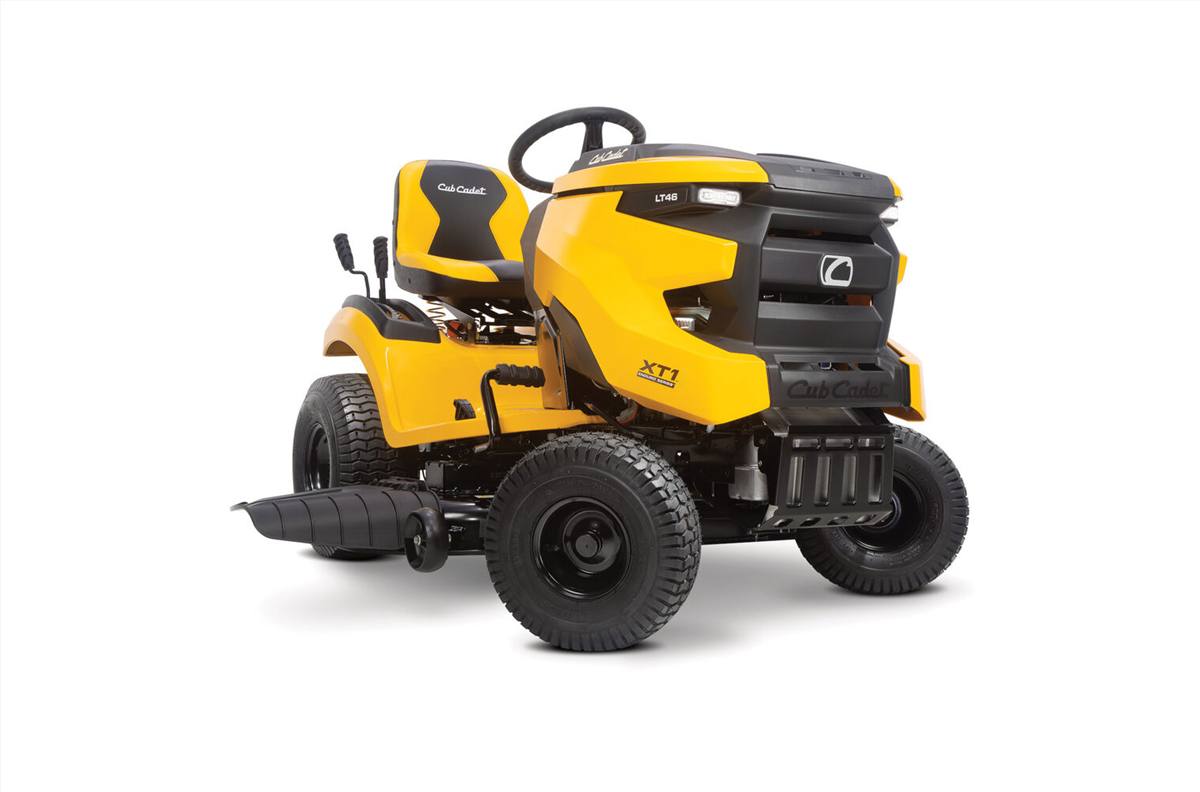
The XT1 line is the most natural place for many homeowners to start. The Cub Cadet XT1 LT46 official page describes the current XT1 LT46 as a riding mower with a 46-inch stamped deck, 22 HP / 747cc Kohler twin-cylinder engine, hydrostatic transmission, and a 15-inch high-back adjustable seat. Cub Cadet also lists a cast-iron front pivot bar and dealer support as part of the feature story.
Consumer Reports public model information for the XT1 LT46 lists the mower as part of its lawn tractors test program and shows public specs such as 46-inch deck size, 22 HP engine power, hydrostatic drive, two cylinders, reverse cutting, cruise control, washout port, and a 3-year warranty. The ratings themselves require membership, so this article does not cite a Consumer Reports score.
The XT1 LT46 is most useful for a homeowner with roughly one acre to one and a half acres of mostly flat grass, a need for familiar steering-wheel controls, and occasional light yard-cart work. It is less ideal if you have steep slopes, rough ground, or heavy towing expectations. A lawn tractor can feel safer and more familiar than a lap-bar zero-turn on uneven terrain, but it still has limits. Read the operator manual and ask a dealer about slopes before buying.
The key checks are simple: confirm the exact model code, deck construction, engine, transmission, warranty statement, and whether the mower is delivered fully set up. Cub Cadet notes that basic delivery can involve factory-direct shipment in original packaging and may require some assembly, while local pickup fees may reflect dealer setup.
Ultima ZT1 zero-turns: faster mowing, narrower use case
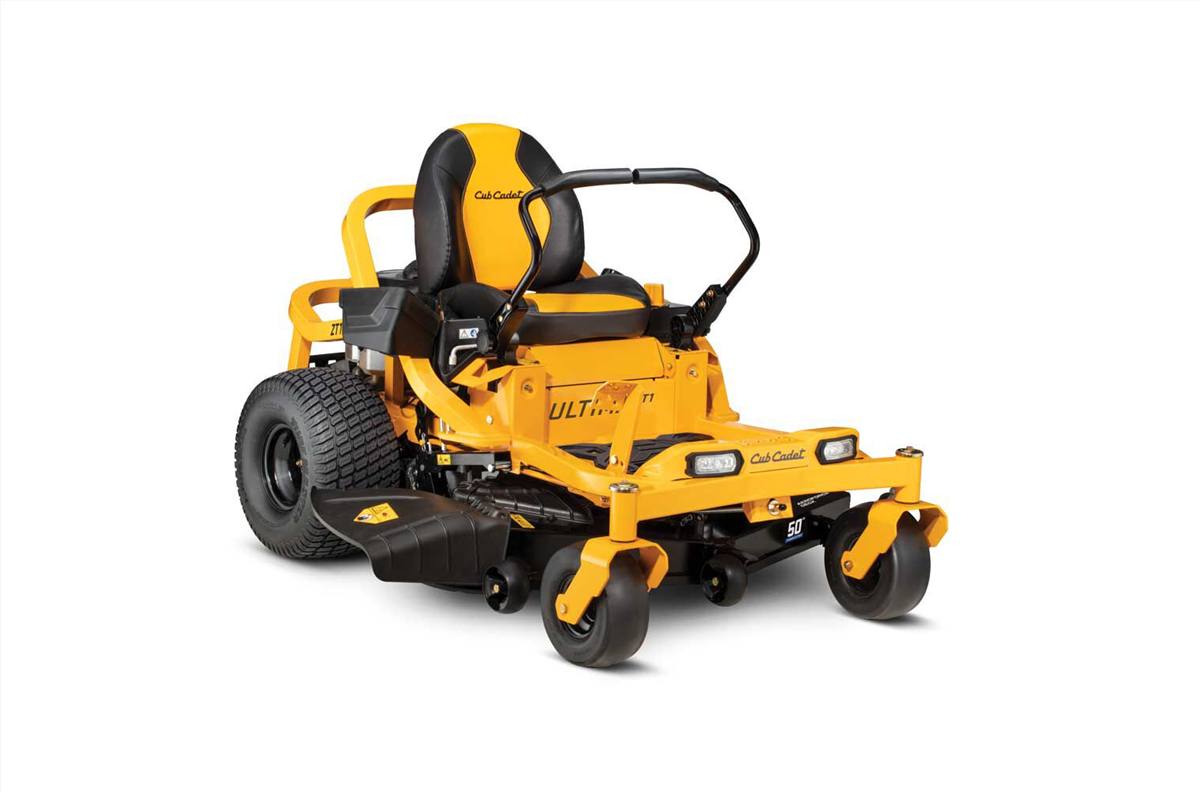
The Ultima ZT1 line is for buyers who want the speed and turning behavior of a zero-turn mower. Cub Cadet pages for the ZT1 50 list a 23 HP Kawasaki FR691V twin-cylinder engine, dual hydrostatic transmissions, and a 50-inch AeroForce fabricated deck. A current 2026 dealer feed for the ZT1 50 also lists Kawasaki power, 726cc displacement, 3.5-gallon fuel capacity, and Hydro-Gear EZT 2200 transmission.
A ZT1 50 can make sense if your lawn is open enough to benefit from zero-turn maneuvering and wide enough for a 50-inch deck. It is not automatically the right upgrade from a lawn tractor. Zero-turns can be less forgiving on slopes, wet ground, or tight storage paths. They also place more importance on hydrostatic drive condition, tire traction, and operator comfort because you steer with lap bars rather than a wheel.
For many buyers, the ZT1 question is not whether Cub Cadet can build a capable residential zero-turn. It is whether your yard justifies the jump. If you mow less than an acre with fences, gates, narrow side yards, and uneven grades, a wider zero-turn can become more awkward than helpful. If you mow two to four mostly open acres with trees and landscape beds, the faster turning pattern may be worth the cost.
Before buying, check deck width against your gates and storage, confirm whether the listed engine is Kawasaki or another engine for that model year, ask about maintenance access, and read the warranty statement tied to the exact serial number.
CC30E and electric riders: lower maintenance, tighter boundaries
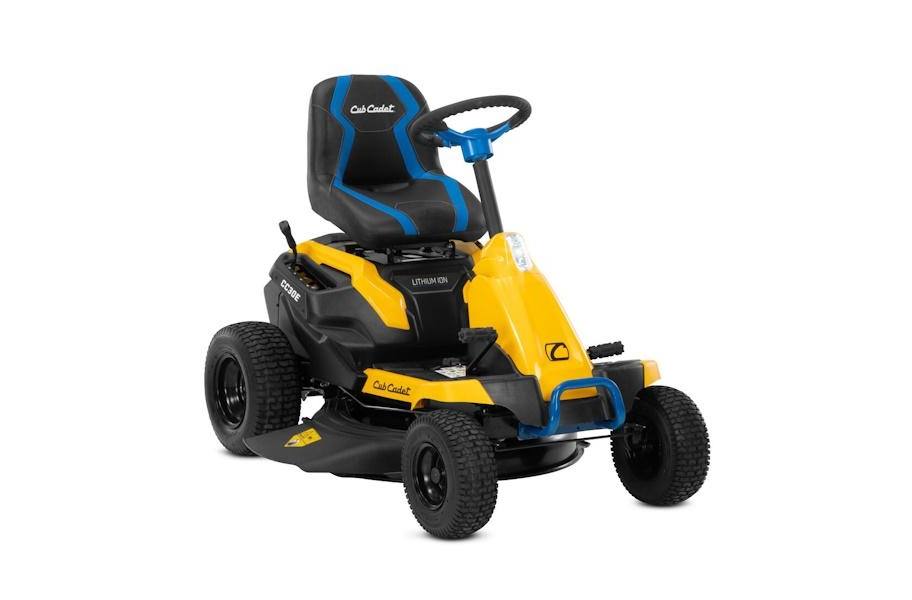
Cub Cadet electric riders are appealing because they remove several maintenance tasks that gas riders require. Cub Cadet says its electric lineup uses lithium-ion batteries, offers fast 4-hour recharge, and avoids gas, oil, air filters, spark plugs, pulleys, and belts on electric riders. The electric riding mower page says the CC30E runs up to one hour, or up to one acre, on a single charge without power fade, and that the electric lineup is backed by a 4-year battery and 3-year machine warranty.
That sounds attractive for small yards, but runtime boundaries matter. Bagging can reduce CC30E runtime, according to Cub Cadet electric mower FAQ guidance. Wet conditions also require caution. Cub Cadet says lithium-ion powered mowers can handle damp or moist grass conditions, but should not be operated in rain, taken through heavily saturated areas, or stored outside.
The CC30E type of mower is best for a homeowner who wants a compact rider, has predictable charging access, and mows a small enough lawn that runtime anxiety will not dominate the experience. It is not the right tool if you regularly mow beyond the stated range, store equipment outside, or need the speed and deck width of a larger tractor or zero-turn.
Because electric rider availability can change by model year and region, confirm current Cub Cadet direct availability or dealer inventory before building your plan around the CC30E specifically.
Warranty, recalls, and service checks
Cub Cadet warranty terms are model-specific, so the warranty statement matters more than a sales-page summary. Cub Cadet warranty FAQ says the warranty period begins on the purchase date or delivery date, registration is not required for warranty, and the purchase receipt indicates the warranty start date. That makes receipt storage important, especially if you buy through a retailer or dealer rather than factory direct.
Recall checks also matter with outdoor power equipment. The CPSC June 6, 2024 Kawasaki engine recall involved Kawasaki engines used across several brands, including a Cub Cadet ZTX-6 model, and described overheating risk that could pose fire and burn hazards. That recall does not mean every Cub Cadet mower is affected. It means buyers should verify exact model and serial information, especially when buying used or buying a Kawasaki-powered unit from affected years.
Dealer setup is the other practical risk. A riding mower can be damaged or misadjusted before the first cut if delivery, assembly, deck leveling, tire pressure, and battery setup are handled poorly. If you are not mechanically comfortable, buying from a dealer that performs setup and handles warranty diagnosis can be worth more than a small online price difference.
When Cub Cadet fits, and when to compare another brand
Cub Cadet fits when you want a mainstream residential mower, you have dealer service nearby, and your yard falls within the machine type. The XT1 line is the practical starting point for many flat suburban lawns. The Ultima ZT1 line is more compelling for larger open lawns where time savings matter. The CC30E is interesting for small, quiet, lower-maintenance mowing if runtime and storage needs line up.
Compare John Deere, Husqvarna, Toro, Ariens, Gravely, Hustler, or a local dealer-grade option when your terrain is steep, you mow commercially, or you need a machine built for high annual hours. Also compare if your local Cub Cadet dealer is weak while another brand has better service nearby. For riding mowers, the nearest competent service path can be as important as the spec sheet.
If you are building a broader yard and workshop setup, our Acme Tools review can help you compare where to buy outdoor equipment and power tools. For outdoor project planning, see our outdoor furniture buying guide. If timing matters, our home improvement seasonal sales guide can help you avoid buying big-ticket home and yard items in the wrong sale window. For adjacent home upgrades, our lighting fixtures guide covers room-by-room fixture choices.
FAQ
Is Cub Cadet a good mower brand?
Cub Cadet is a credible residential mower brand when the exact model fits your yard and you have nearby service support. The brand has a long outdoor power history and broad dealer presence. The important caveat is that a compact rider, XT1 tractor, Ultima zero-turn, and commercial mower should be judged separately.
Which Cub Cadet mower should most homeowners compare first?
For mostly flat lawns around one to one and a half acres, the XT1 LT46 is a practical first comparison because it has familiar steering-wheel controls, a 46-inch deck, and hydrostatic drive. For larger open lawns with many obstacles, compare the Ultima ZT1 50. For small lawns, the CC30 or CC30E format may be easier to store.
Are Cub Cadet zero-turn mowers good for hills?
Zero-turn mowers are efficient on open lawns, but they are not automatically the right fit for hills. Slope safety depends on the model, tires, ground condition, operator skill, and manual limits. If your yard has steep grades, ask a dealer to evaluate whether a tractor, steering-wheel zero-turn, or another setup is safer.
What should I check before buying a used Cub Cadet?
Check the model number, serial number, engine label, deck condition, transmission behavior, service records, battery age, belts, blades, tires, and recall status. Run the mower long enough to verify hot starts, deck engagement, reverse behavior, and hydrostatic drive response. If the seller cannot provide the manual or receipt, price in extra risk.
Should I buy Cub Cadet online or through a dealer?
A dealer can be worth it for setup, deck leveling, delivery, warranty diagnosis, and seasonal service. Online or factory-direct buying can be convenient, but large mowers may arrive in original packaging and may require assembly. Before checkout, confirm who handles setup, damage claims, warranty work, and first service.
Sources reviewed
- Cub Cadet official history: https://www.cubcadet.com/en_US/about-us.html
- Stanley Black & Decker MTD acquisition announcement: https://ir.stanleyblackanddecker.com/news-events/press-releases/news-details/2021/Stanley-Black--Decker-Completes-Acquisitions-Of-MTD-Holdings-And-Excel-Industries-Creating-A-Global-Leader-In-Outdoor-Products-12-01-2021/default.aspx
- Cub Cadet XT1 LT46 official product page: https://www.cubcadet.com/en_US/riding-lawn-mowers/xt1-lt46/13APA9TTA10.html
- Cub Cadet ZT1 50 official product page: https://www.cubcadet.com/en_US/view-all-riding-lawn-mowers/zt1-50/17AIEACZ010.html
- Cub Cadet electric riding mower page: https://www.cubcadet.com/en_US/lawn-mowers/electric-riding-mowers
- Cub Cadet warranty FAQ: https://www.cubcadet.com/en_US/warranty-details.html
- CPSC Kawasaki engine recall, June 6, 2024: https://www.cpsc.gov/Recalls/2024/Kawasaki-Motors-USA-Recalls-Engines-Used-in-Bad-Boy-Mowers-BigDog-Bobcat-Cub-Cadet-Hustler-John-Deere-and-Kubota-Brand-Lawn-and-Garden-Equipment-Due-to-Fire-and-Burn-Hazards
- Consumer Reports public XT1 LT46 model page: https://www.consumerreports.org/products/lawn-tractor/cub-cadet-13ava1cs056-370308/overview/
- 2026 ZT1 50 dealer inventory feed used for price and image verification: https://www.freedompower.net/search/inventory/Brand/Cub%20Cadet
- 2024 CC30E dealer inventory feed used for image verification: https://www.greenfieldpowerequip.com/search/inventory/type/Commercial%20Engines/type/Residential%20Lawn%20Mowers
Final recommendation: Cub Cadet can be a smart residential mower shortlist, but only after you match the mower type to the yard. Start with terrain and service access, then choose the machine. If the local dealer is strong and the model fits your acreage, Cub Cadet belongs in the comparison. If service, slope safety, or model history is uncertain, keep comparing before you buy.